Are dogs paws OK walking in snow?
By Isabella Browning •
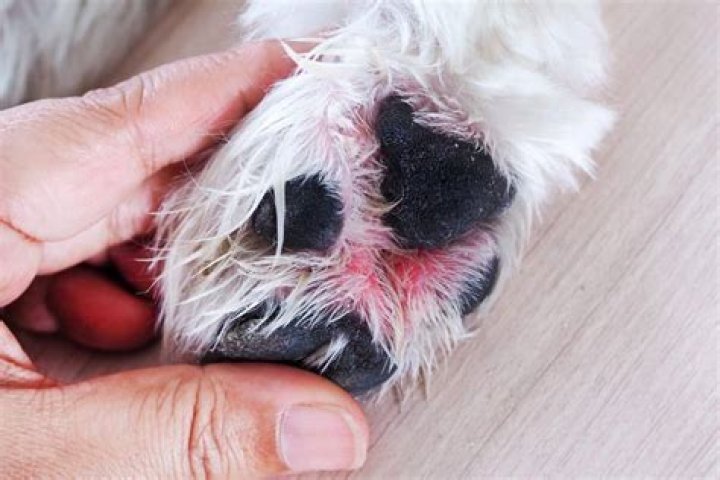
Protecting your pets from the elements and keeping them safe on winter walks is just as important. Winter weather can pose a few risks to your dog's well-being, particularly their paws. Snow and ice can increase your dog's risk of frostbite and dry out their paw pads, leaving the skin chapped or cracked.
Is snow too cold for dogs paws?
Though the skin on dogs pads is a lot tougher than the skin on our feet, they can still get cold. In fact, exposure of more than 15 minutes to temperatures around or below freezing (32°F) can pose real risks to our dogs' unprotected paws.Is it OK to take dogs for a walk in the snow?
Despite the dangers, walking is still a great form of exercise for most dogs. Many dogs love snow and have no problem with the colder temperatures. With the right precautions, winter walks can be safe and enjoyable for you and your pup.How long can my dogs paws be in snow?
Overall, you should probably limit the time your dog plays in the snow to about 30 minutes but be on the lookout for signs of discomfort like shivering or staying by you and seem like they want to go home.Can dogs go in the snow barefoot?
Even though dogs are more comfortable than we are barefoot walking on ice and snow (more on that below), they're still susceptible to hypothermia and frostbite as a result of prolonged exposure.Dog Paw Tips For Winter - Professional Dog Training Tips
How do I protect my dog's paws in the snow?
Paw Balm: Before walking on the snow or ice, rub some paw balm on your dog's palms. This will minimize the dry skin and damage salt can cause. Make sure to reapply the balm after returning from walks. Having paw balm on hand is a good way to keep their paws soft and supple during the cold months.Can dogs get frostbite on their paws?
Where is a dog more likely to get frostbite? The paws, ears, and tail are the most common tissues to be affected. If a dog is wet or damp, these areas are more vulnerable to frostbite.How cold is too cold for dog walk?
Most healthy, medium or large dogs with thick coats can take a 30 minute walk when temperatures are above 20°. Small dogs or dogs with thin coats start to become uncomfortable in temperatures below 45°. Consider limiting walks to 15 minutes for these dogs when temps fall below freezing.How do small dogs walk in the snow?
Keeping them warm will help you enjoy all the winter activities with your dog.
- Plan Ahead. In the winter, it's important that you plan your trip ahead of time. ...
- Look for Cues. ...
- Keep It Short and Sweet! ...
- Keep Your Dog's Toe Hair Clipped. ...
- Wear Boots. ...
- Apply First Aid. ...
- Moisturize. ...
- Wipe Paws.
When should you not walk your dog?
As a general rule, walking your dog at any temperature below 20C is ideal. Anything above 20C can cause your dog to become dehydrated and very hot very quickly. The hotter the temperature, the higher the risk to your dog. As the temperature increases, even by just 1C, the risk to your dog increases too.How do I know if my dogs paws are cold?
How can you tell your dog's paws are cold?
- Measure your dog's body temperature using a rectal thermometer. The normal temperature range is between 101.0 and 102.5.
- Feel the pulse on the back legs inside the thigh. ...
- Report immediately to your vet if you notice anything unusual or if the temperature is below 101.0.
How do dogs paws stay warm in snow?
The paws have pads containing a high fat content, which freezes less easily than other tissues, but they also have a high surface area-to-volume ratio, which means they should lose heat easily.Is 12 degrees too cold to walk a dog?
Of course, you'll also want to consider your dogs' own health, lifestyle, and preference for the cold. But, as a general rule, Smyth says, “Under 30 degrees, factoring in the wind chill, it's not going to be safe for any dog to be outside for an extended period of time.”Do dogs get cold in the snow?
Dogs get cold just like we do. If they don't have a thick fur coat to keep them warm, they may get cold outside. Some dogs, like Alaskan Malamutes and Siberian Huskies, are bred for cold weather work.Can dogs walk on frost?
Don't let your dog walk on frozen pondsThe ice may not be thick enough to take their weight. If your dog does fall through the ice never be tempted to go in after them. If possible, encourage them to swim back to you and call the emergency services.
What temperature is too cold for snow?
Snow forms when the atmospheric temperature is at or below freezing (0 degrees Celsius or 32 degrees Fahrenheit) and there is a minimum amount of moisture in the air. If the ground temperature is at or below freezing, the snow will reach the ground.Can dogs wear socks in the snow?
Doggy Socks Offer Some ProtectionKnit socks are another workable solution for brief exposure to cold winter weather. They're perfect for drafty homes, dashing to and from cars and trucks and running outside to answer the call of nature. Many brands come with skid-proof soles, which will make it easier to walk on ice.