Historian Rima D. Apple writes in her book Mothers and Medicine. A Social History of Infant Feeding, 1890–1950 that in the United States of America most babies received breastmilk.What were infants fed in the 1950s?
In the 1950s and 1960s, as already mentioned, most infants were fed cow's milk beginning at 4–6 mo of age and this practice extended into the early 1970s.
Did they have baby formula in the 1950s?
By the late 1930s, the use of evaporated milk formulas in the United States surpassed all commercial formulas, and by 1950 over half of all babies in the United States were reared on such formulas.
What did they feed babies before formula?
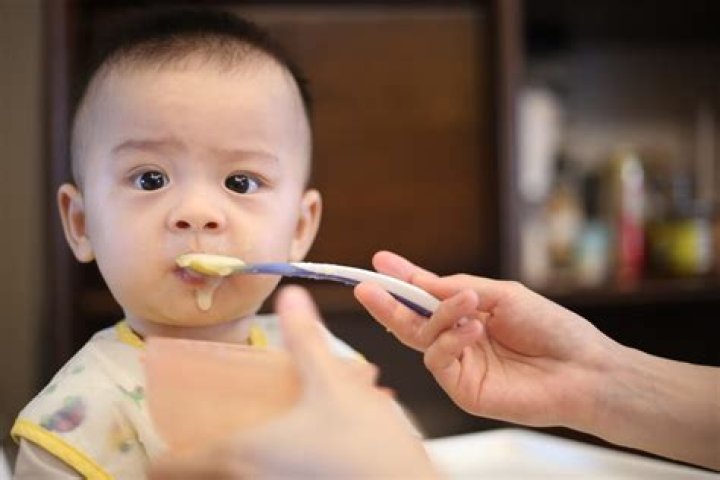
Before the baby bottle came into use, milk was spoon fed to infants or given via a cow's horn fitted with chamois at the small end as a nipple. When baby bottles were adopted during the Industrial Revolution, many popular designs evolved. Some were submarine-shaped and made from metal, glass, or pottery.
What was baby formula in the 60s?
Baby Formula in the 1960s
The baby formula recipe of 1960 that was very popular included Carnation evaporated milk. As more women join the workforce, mothers find themselves with a great need to provide a breast milk substitute for their babies. Using condensed milk was an easy and inexpensive answer.
1950s Baby Goes Home, A Guide To Care And Feeding
What is dry nursing?
With “dry” breastfeeding your baby does not actually drink significant amounts of milk, but he is able to smell and taste the droplets of milk that remain in your breast after pumping.
Do wet nurses still exist?
“Wet nurses still exist but not many people talk about it and when it does happen it's much less of a paid position like it was centuries ago,” Gourley says. Today, wet nursing (or cross nursing, as it's more commonly called) is a much more casual affair.
What was in baby formula in the 1950s?
The recipe calls for 13 ounces of evaporated milk, 20 ounces of water, and 2 level teaspoons of Karo syrup to be heated together and divided into 6 bottles.
Why can't babies drink cow's milk?
At 12 months old (but not before), your child can be introduced to cow's milk. Before your child is 12 months old, cow's milk may put him or her at risk for intestinal bleeding. It also has too many proteins and minerals for your baby's kidneys to handle and does not have the right amount of nutrients your baby needs.
What did early humans feed babies?
Prehistoric babies were bottle-fed with animal milk more than 3,000 years ago, according to new evidence. Archaeologists found traces of animal fats inside ancient clay vessels, giving a rare insight into the diets of Bronze and Iron Age infants.
What did babies drink in the 1940s?
Infants who were not breast fed or who received a combination of breast and bottle and solid foods typically consumed canned sweetened condensed milk, the most popular being Bordon's Eagle Brand Baby's Milk. Other families used a homemade formula usually consisting of condensed milk, water and karo syrup.
When did baby formula start being used?
1860. German chemist, Justus von Leibig, develops the first baby formula—a powdered mix of wheat flour, malt flour, potassium bicarbonate and heated cow's milk. This is a hit in Europe and by 1869, becomes available in the US for $1.
When did breastfeeding in public become a problem?
1 Breastfeeding in public was commonplace for colonial women because they lived in a society that supported breastfeeding. Breastfeeding was dealt a double whammy in the early 20th century. As World War II raged on, women were needed to fill jobs left empty by men going off to war.
Why can't babies have almond milk?
Can babies have almond milk? Almond milks, and other nut milks, are not recommended as a complete replacement for dairy or soy milk for children under 5 years because they are low in protein. Many are also low in fat, meaning they have less kilojoules (energy) than full fat dairy or soy milk.
Why can't babies have goats milk?
Goat milk alone is not recommended for babies. The milk has a high concentration of minerals and proteins, but less folate than is necessary to meet a child's nutritional needs. Some studies also indicate that goat milk is associated with high rates of anemia.
What age can babies have water?
If your baby is under 6 months old, they only need to drink breastmilk or infant formula. From 6 months of age, you can give your baby small amounts of water, if needed, in addition to their breastmilk or formula feeds.
Can a nonpregnant woman produce milk?
Can you lactate when you're not pregnant? Yes, it's possible to lactate if you're not pregnant. Inducing lactation is a complex process that usually involves using hormone-mimicking drugs for several months to produce milk. The second part of lactation is expressing the milk through your nipple.
Can I breastfeed my husband without being pregnant?
Lactation is common after a woman has given birth, and it can sometimes occur during pregnancy too. However, it is possible for both women and men to produce a milky discharge from one or both nipples without being pregnant or breastfeeding.
What happens if you drink your own breast milk?
"There's no danger to it, but it's just kind of strange." "Breast milk is definitely great nutrition, great protein and great calories, and ounce for ounce it's low in calories for an adult," said Cheryl Parrott, a registered nurse and board-certified lactation consultant who runs a private practice in Indiana.
Can I breastfeed my father?
While fathers cannot breastfeed, of course, there are many ways in which they can assist the mother or take care of the baby while being breastfed. Nitoto went on to share five ways new dads can help the mother during breastfeeding.
Can I breastfeed my grandchild?
“A grandmother can assist in breastfeeding the baby. But it is required that she is healthy and does not have an illness that the child has a possibility of contracting. “So, grandmothers can still produce breast milk and breastfeed babies, irrespective of their age.
Can a baby suck on empty breast?
First of all, milk is being produced at all times, so the breast is never empty... Trying to completely empty a breast is like trying to empty a river which is impossible. Sucking breast is actually very soothing for your baby so even if milk is not coming the baby will nibble.
When did breastfeeding become sexualized?
In her book Inventing Baby Food: Taste, Health, and the Industrialization of the American Diet, Amy Bentley argues that distaste for public breastfeeding in the US began with the sexualization of female breasts in the 19th century and was accelerated by the rise in processed baby food occurring around the same time.
Why was breastfeeding discouraged in the 1950s?
By the 1950s, the predominant attitude to breastfeeding was that it was something practiced by the uneducated and those of lower classes. The practice was considered old-fashioned and "a little disgusting" for those who could not afford infant formula and discouraged by medical practitioners and media of the time.
Why is breastfeeding sexualized?
Although breastfeeding is not a sexual act, some people may perceive it as such, especially because female breasts are often sexualized. Thus, one's comfort level with sexual topics and reactions to sexual stimuli may influence their evaluations of breastfeeding (public breastfeeding in particular).